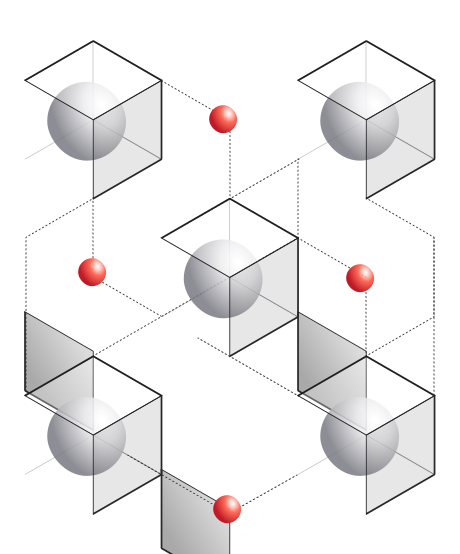
No one place carries the work.
Teams can see fragments of the process in different tools, but the full path from intake to outcome stays invisible.

L3RA helps teams run approvals, records, responsibilities, and activity in one controlled place — so operational work does not disappear across tools.

A request may start in a form, move through email, depend on a spreadsheet, and end in another system. By the time a decision is made, ownership, status, and context are hard to trace.
Teams can see fragments of the process in different tools, but the full path from intake to outcome stays invisible.
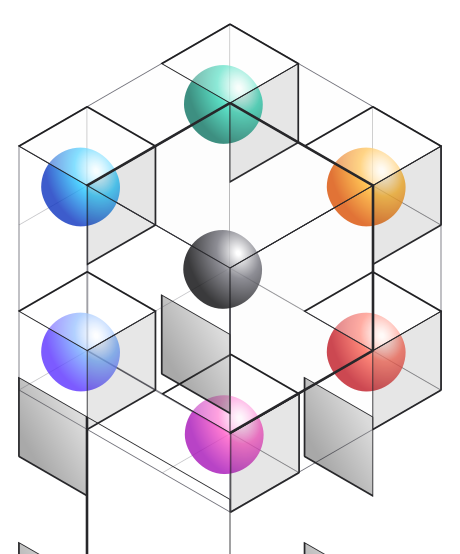
Status, owner, files, and decisions end up in different places, so people reconstruct the story later.
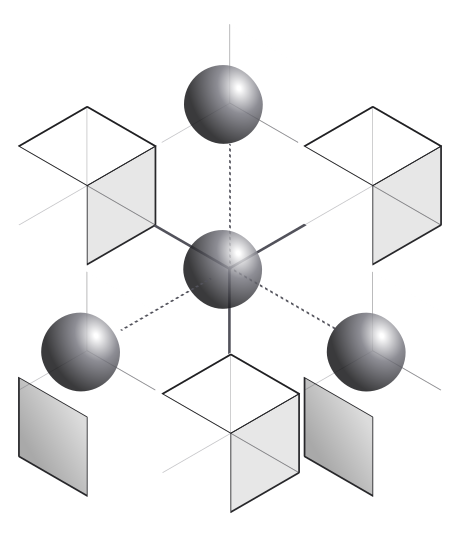
The people who should act, review, or observe often depend on tool settings rather than their actual role in the operation.
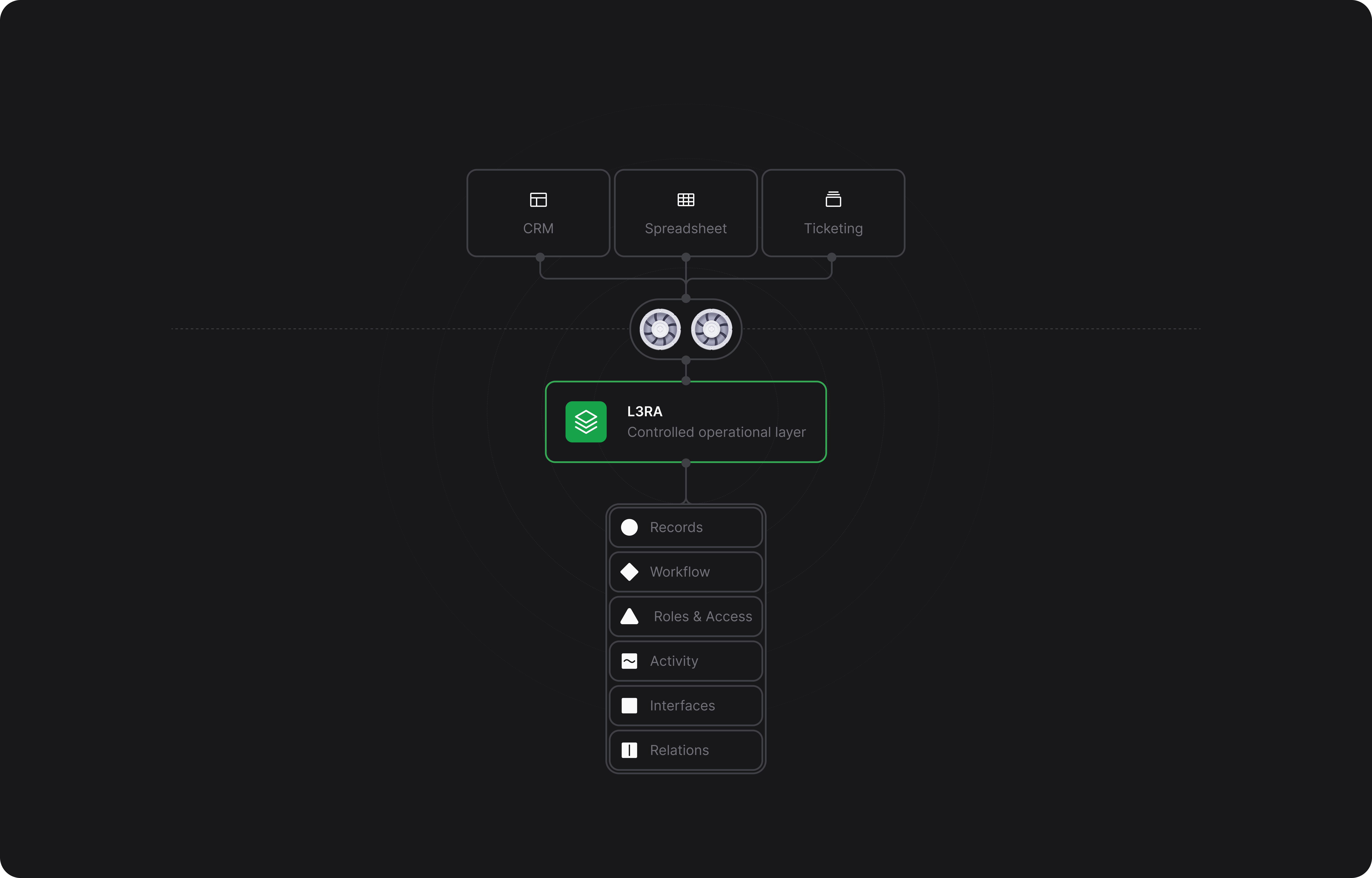
Spreadsheets, tickets, and approvals solve individual moments. L3RA connects them — ownership, records, access, and activity in one controlled context. It does not replace your systems. It gives the operation the layer they have always been missing.
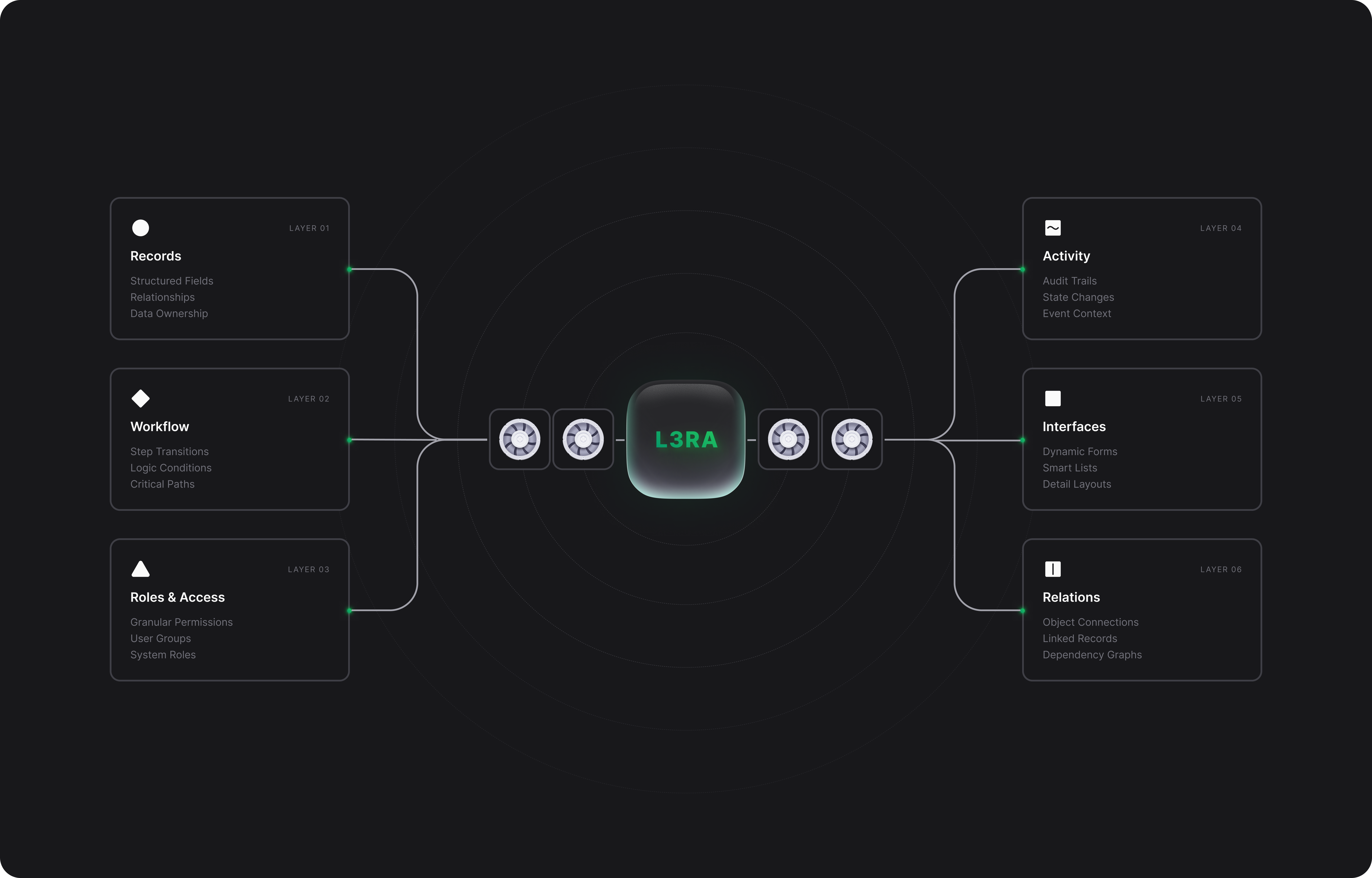
In L3RA, the request, the record, the responsible role, and the activity trail stay part of the same operating context.
Each step has a known path, a responsible role, and a clear next action.
A record keeps the status, owner, files, decisions, and history together.
People see and do what their role in the operation requires — no more, no less.
Every important action remains part of the record, so the team can see what changed and who changed it.
Start with the part of the operation you need to understand first: structure, control, data access, or real scenarios.
See how records, workflow, roles, and activity work together inside one operating system.
Open productSee how decisions, owners, and status changes are controlled at the moment work happens.
Open controlSee how the same record can carry context, history, and different access for different teams.
Open data & accessSee examples of requests, approvals, records, and role-based work that L3RA can support.
Open use cases